California is known for its beautiful weather, bustling cities, and scenic roadways, but it also has one of the highest pedestrian accident rates in the country. Pedestrian safety is critical to reducing the number of accidents that occur each year. Whether you’re walking to work, crossing the street, or enjoying a walk around your neighborhood, knowing how to stay safe on California’s roads is essential.
In this post, we’ll share important pedestrian safety tips for California residents that can help prevent accidents and ensure that everyone can get from one place to another without incident.
The Importance of Pedestrian Safety
Pedestrian accidents are all too common in California, and the numbers are alarming. According to the California Office of Traffic Safety (OTS), pedestrian fatalities have been steadily rising over the years, with nearly 1,000 pedestrian deaths reported in 2024 alone. These accidents often occur in urban areas, where traffic density is high, but they can also happen in rural areas.
As a pedestrian, it’s essential to be aware of your surroundings, follow safety protocols, and adopt habits that protect you and those around you. Let’s dive into key pedestrian safety tips that can help save lives.
1. Always Use Crosswalks
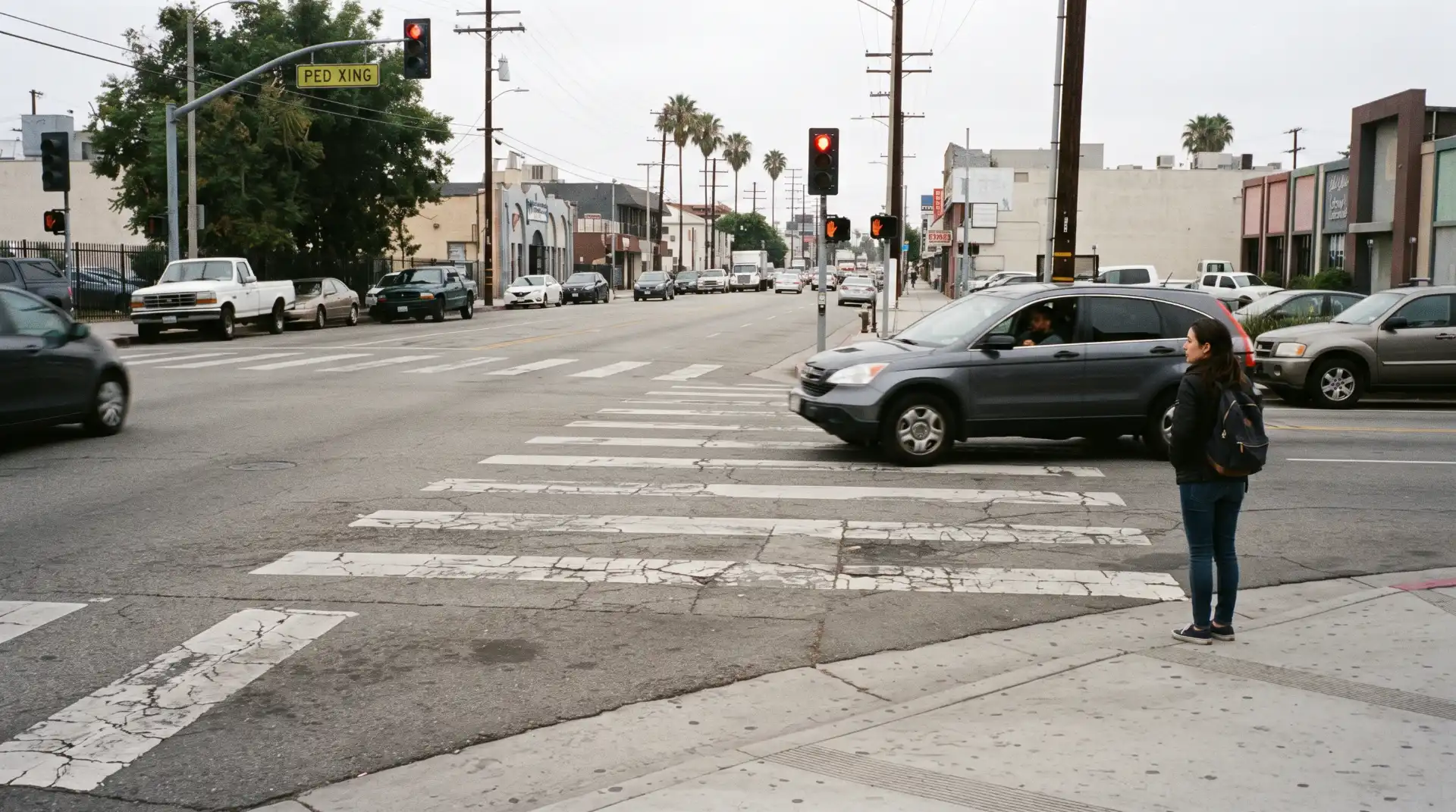
One of the simplest yet most effective ways to stay safe as a pedestrian is to always use crosswalks when crossing the street. Crosswalks are specifically designed to provide pedestrians with a designated path to cross safely, and they often have traffic signals that ensure drivers yield.
Unfortunately, many pedestrians still jaywalk, putting themselves at significant risk of an accident. Avoid crossing at intersections without marked crosswalks, as drivers may not expect pedestrians to be crossing in those areas.
Tip: Even if the street appears clear, always walk to the nearest crosswalk. It’s better to take a few extra steps than risk your safety.
2. Look Both Ways Before Crossing
While it might seem like common sense, many pedestrians overlook the importance of checking for traffic before crossing the street. Always stop at the curb, look both ways, and listen for oncoming traffic before stepping into the crosswalk.
In California, where traffic can be unpredictable and fast-moving, looking both ways could make the difference between life and death. Keep in mind that even if you’re crossing at a crosswalk, drivers may not always stop, especially if they are distracted or in a hurry.
Tip: Wait for the walk signal before crossing, and if there is no signal, make sure that you have clear visibility of traffic in both directions.
3. Wear Visible Clothing
California’s sunny weather can sometimes create a false sense of security when walking outside. While pedestrians may feel safe in broad daylight, it’s important to remember that poor visibility can be a major contributing factor to accidents, particularly in the early morning, evening, or at night.
Wearing brightly colored or reflective clothing makes you much more visible to drivers, especially during low-light conditions. If you’re walking at night, consider wearing reflective gear or accessories, such as reflective jackets, backpacks, or vests.
Tip: Even during the day, bright colors like neon yellow or orange can help ensure that drivers notice you from a distance.
4. Be Cautious of Distracted Drivers
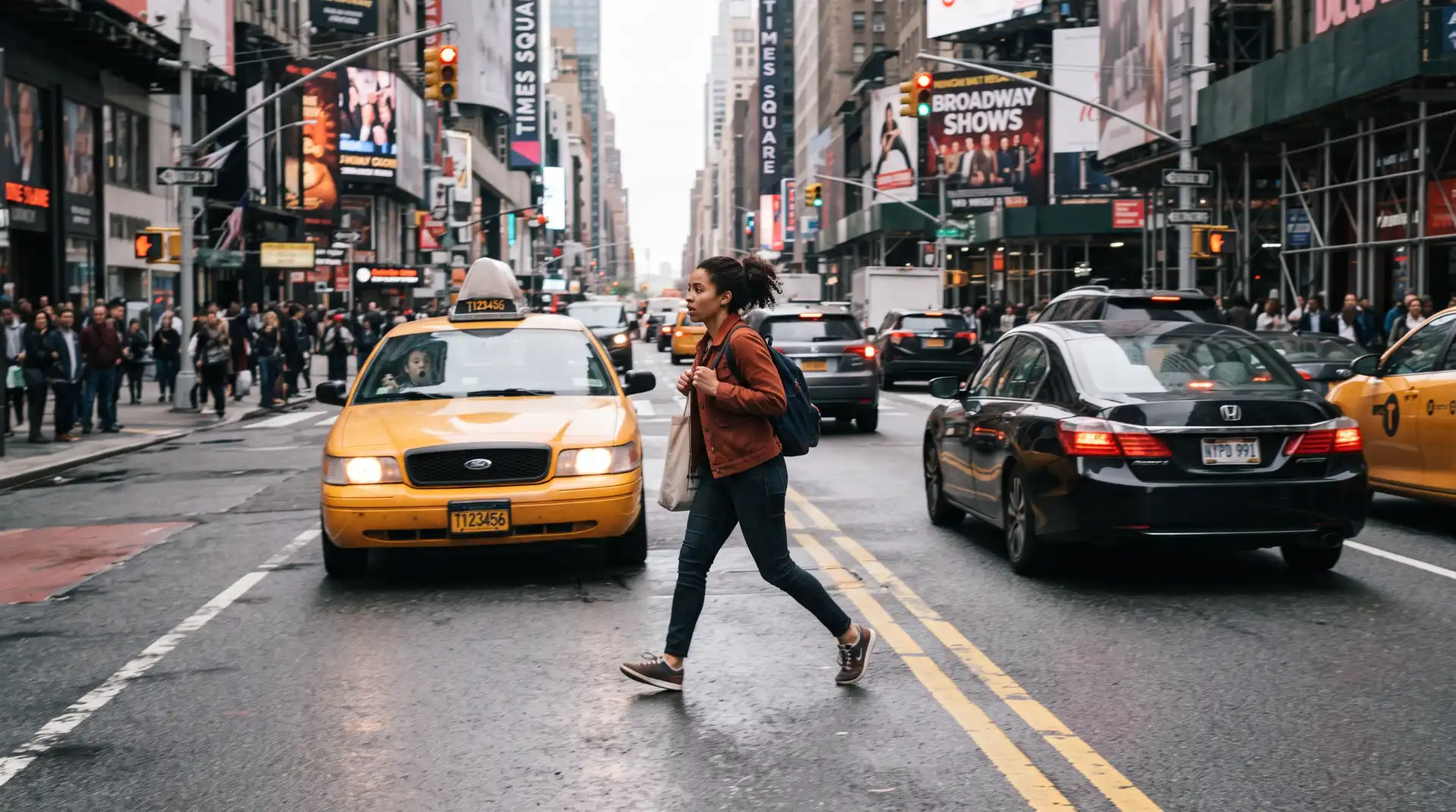
Distracted driving is one of the leading causes of accidents in California, and pedestrians are at significant risk. Drivers using their phones, eating, or engaging in other distractions may not see you crossing the street. That’s why it’s crucial for pedestrians to always be alert when walking near roadways, especially at intersections.
While you should always use designated crosswalks, be prepared to stop if a driver doesn’t appear to be paying attention. Avoid assuming that a driver sees you, even if you have the right of way.
Tip: Avoid using your phone while walking and remain aware of your surroundings. If possible, make eye contact with drivers to ensure they see you.
5. Cross at Well-Lit Intersections
Pedestrian accidents are more likely to occur at night, particularly at intersections with poor lighting. In areas with high pedestrian traffic, ensure that intersections and crosswalks are well-lit. This can increase your visibility and reduce the likelihood of accidents.
In some areas, local government agencies work to improve street lighting in pedestrian-heavy areas to enhance safety. If you frequently walk through areas that lack sufficient lighting, bring a flashlight or wear reflective gear.
Tip: Always cross streets at well-lit intersections to reduce the risk of being hit by a vehicle.
6. Pay Attention to Traffic Signals
Traffic signals are not only for drivers—they also play an essential role in pedestrian safety. Many intersections have specific pedestrian signals that let you know when it’s safe to cross. When walking in busy urban environments like Los Angeles or San Francisco, following these signals can prevent confusion and ensure safe crossings.
Do not attempt to cross the street when the light is red for pedestrians, even if traffic is light. It’s important to respect traffic laws to protect yourself and others.
Tip: Wait for the pedestrian signal to turn green before crossing. If there are no pedestrian signals, make sure it is safe to cross before stepping onto the street.
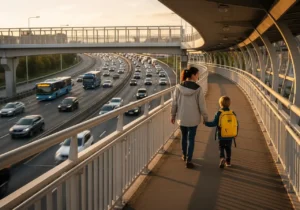
7. Use Pedestrian Bridges or Underpasses When Available
In high-traffic areas like downtown Los Angeles, pedestrian overpasses and underpasses can offer a safer way to cross busy streets. These structures are designed to allow pedestrians to cross roads without interacting with vehicles, reducing the risk of accidents.
If you live or work in an area with heavy traffic, look for pedestrian bridges or tunnels that can provide you with a safer route.
Tip: If available, always use pedestrian bridges or underpasses rather than crossing busy roads at ground level.
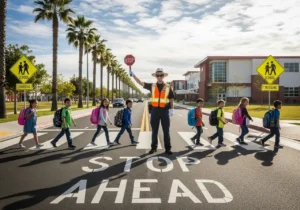
8. Be Extra Cautious in School Zones
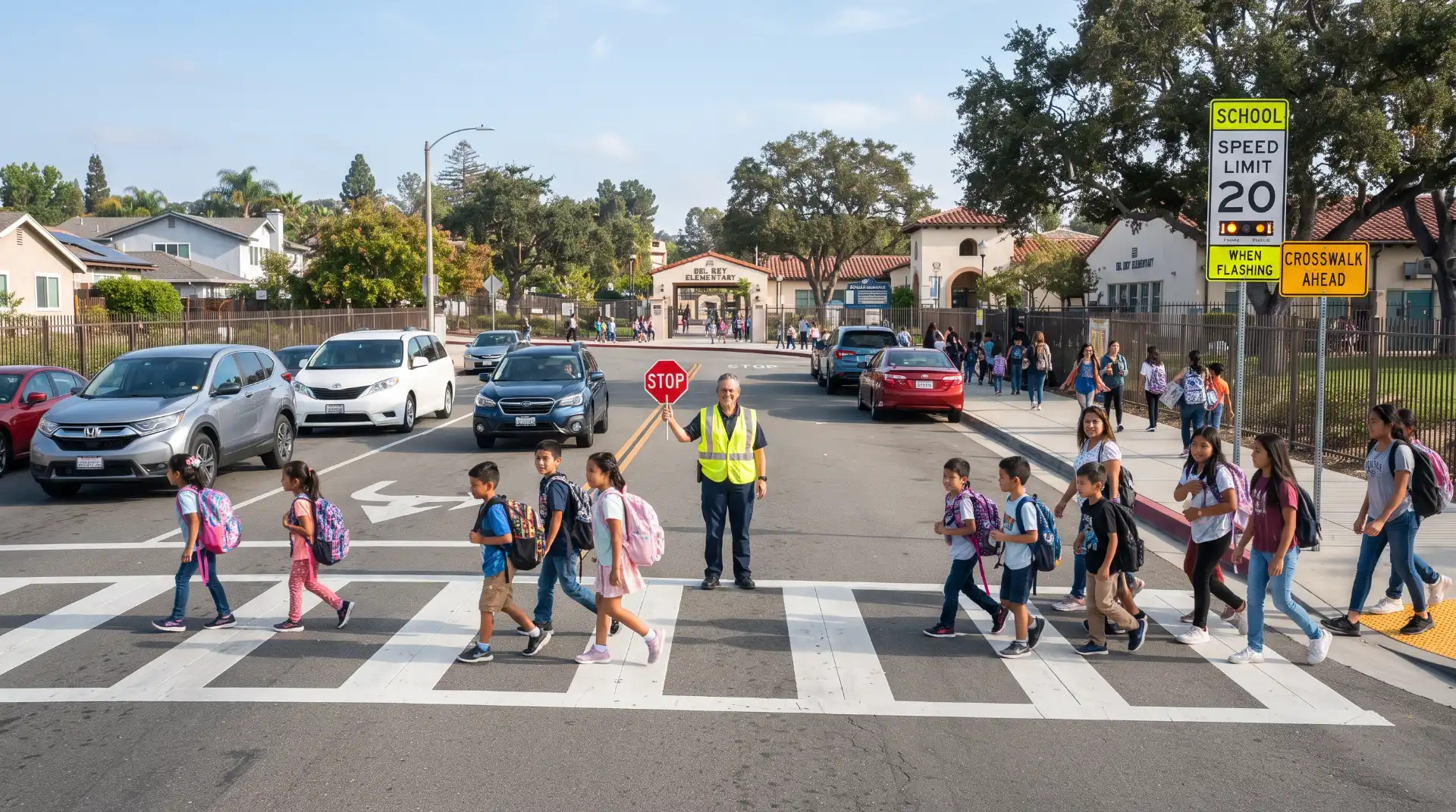
California has laws in place to protect children walking to and from school. Always exercise extra caution when walking in school zones, as children may not be as aware of their surroundings or traffic rules.
Be sure to adhere to the posted speed limits and stop for school crossing guards when they signal for you to do so. These areas are often crowded, and being patient can prevent a dangerous situation.
Tip: Be especially alert during school hours and in school zones. Avoid using your phone, and keep an eye out for young pedestrians.
9. Avoid Alcohol or Drugs Before Walking
Pedestrian accidents can be more likely when a person is under the influence of alcohol or drugs. In California, like anywhere else, impaired walking can affect your ability to navigate the streets safely. Alcohol and drugs can impair your judgment, coordination, and reaction times, putting you at risk of being involved in an accident.
Tip: Always avoid walking while under the influence of alcohol or drugs. If you plan to drink, use public transportation or ridesharing services to get home safely.
10. Know Your Rights as a Pedestrian in California
California law provides protection to pedestrians who are involved in accidents. If you’re hit by a vehicle while walking, you may be entitled to compensation for your injuries, medical bills, and other damages. California’s comparative fault law means that even if you are partially at fault for an accident, you may still be able to recover damages.
If you’ve been involved in a pedestrian accident, it’s essential to consult with an experienced personal injury lawyer who can help you navigate the legal process and fight for your rights.
Tip: If you’ve been injured in a pedestrian accident, consider reaching out to a car accident lawyer who specializes in pedestrian injury cases to help you secure compensation.