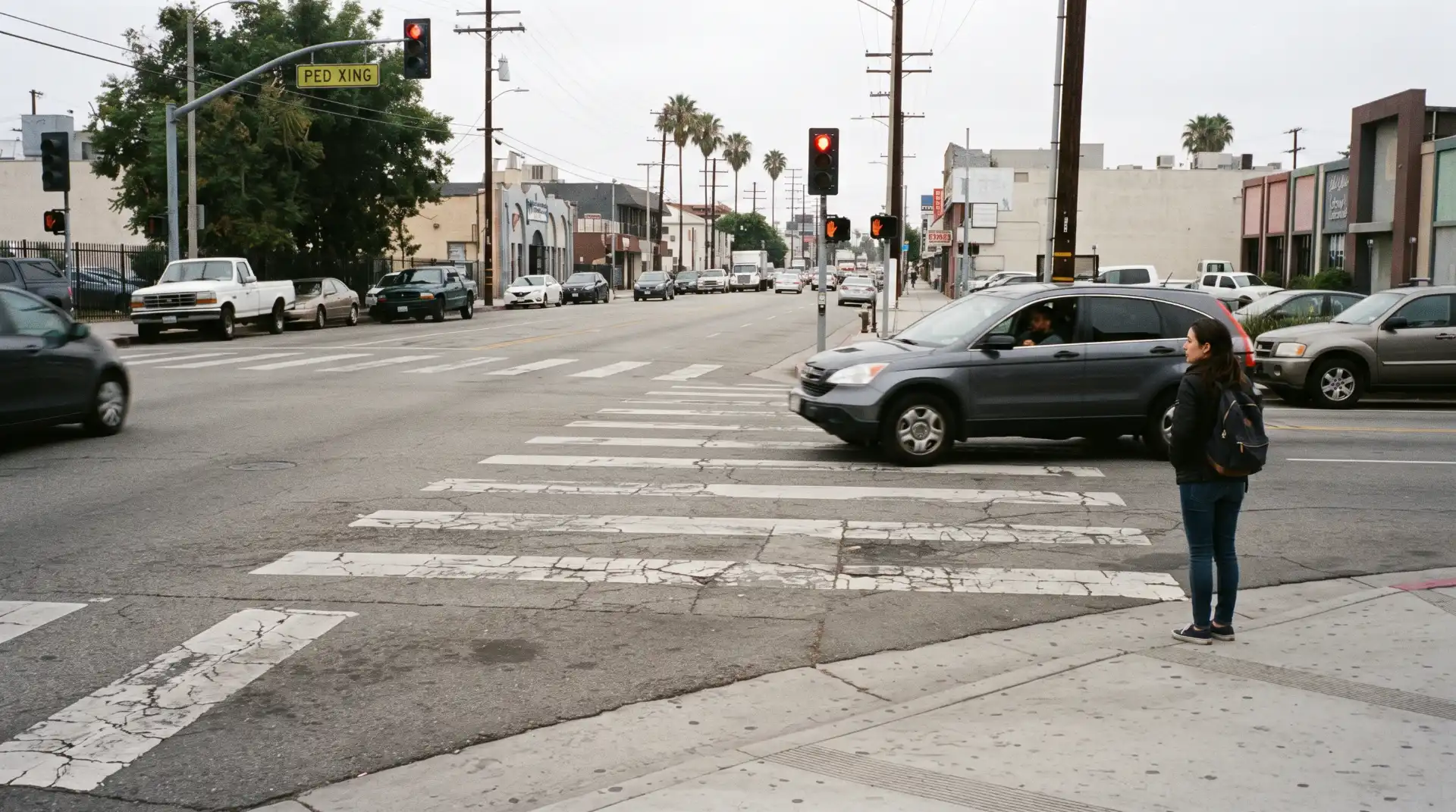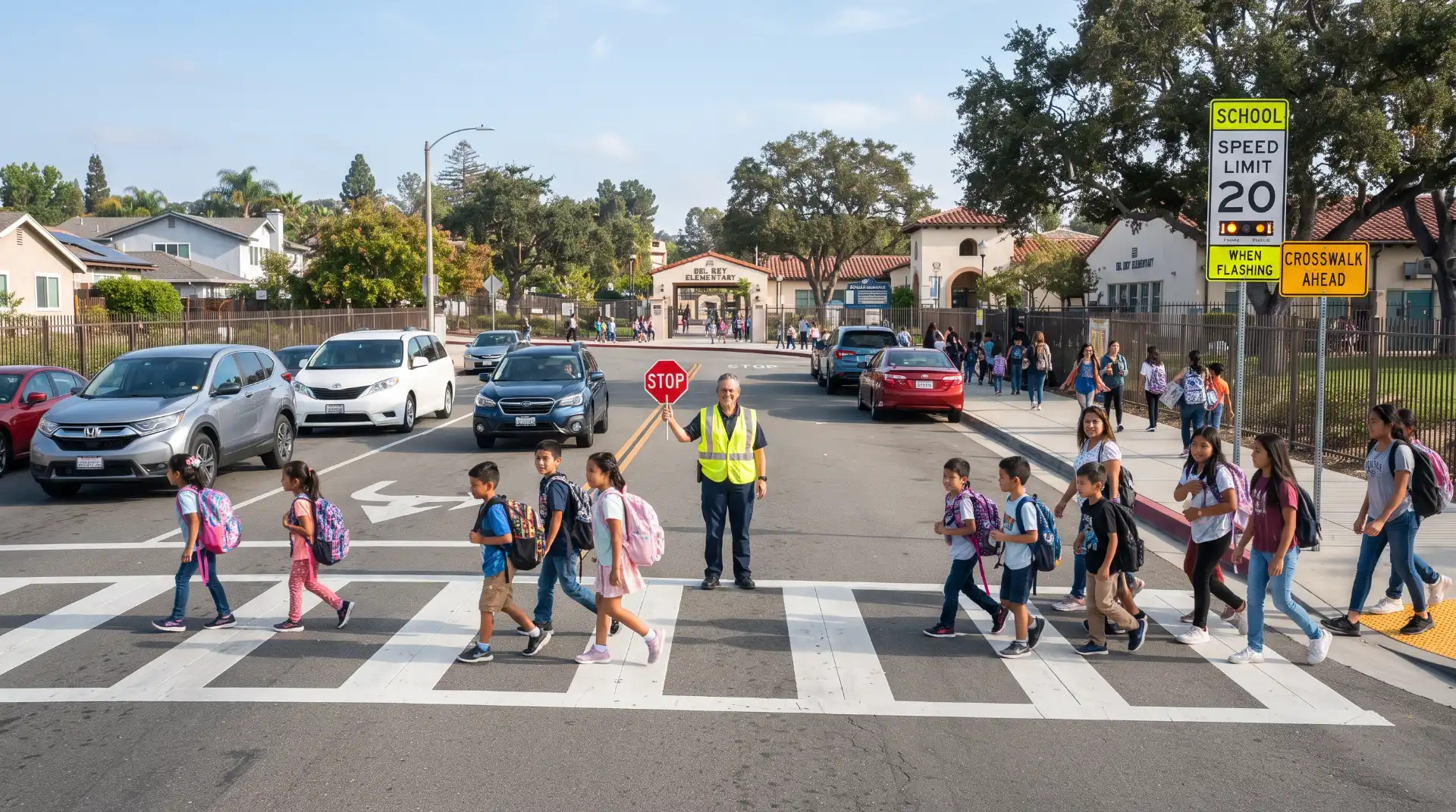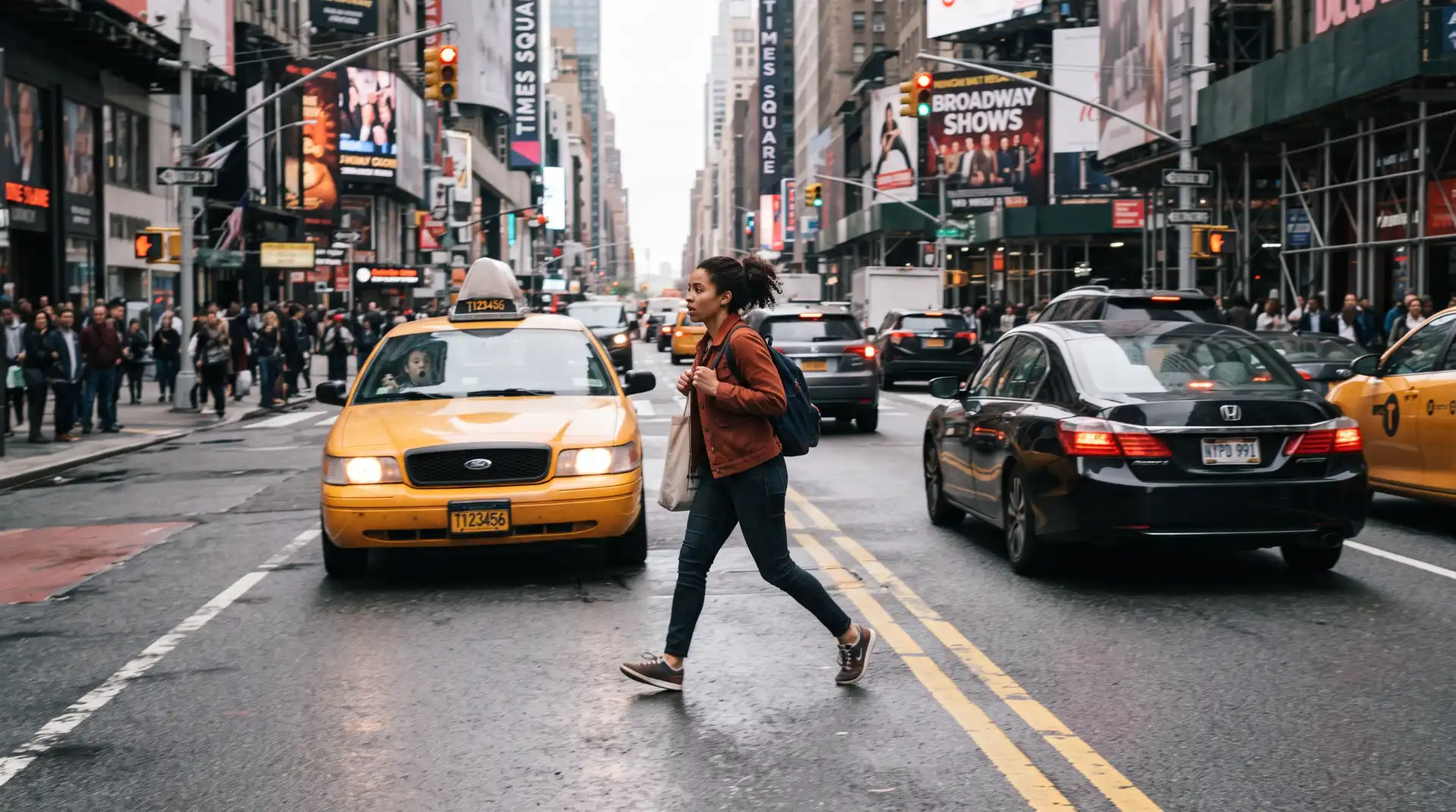
Distracted driving remains one of the most common causes of pedestrian accidents. When a driver shifts attention away from the road, even briefly, reaction time drops and awareness narrows. This can create dangerous situations for pedestrians, especially in busy streets and intersections where quick decisions matter.
Pedestrian injury claims involving distracted driving often focus on what the driver was doing before the crash. These cases may involve reviewing phone activity, traffic conditions, and witness accounts to better understand how the incident occurred.
What Distracted Driving Really Means
Distracted driving refers to any activity that takes a driver’s attention away from operating a vehicle. While many people associate it with texting, distraction can take many forms. A driver adjusting navigation, reaching for something inside the car, or even engaging in conversation may lose focus long enough to miss a pedestrian crossing ahead.
Among all forms of distraction, phone use continues to stand out. Looking down at a screen for just a few seconds may cover the length of an entire intersection. During that time, a pedestrian may enter the roadway without being noticed.
For more information on how distraction affects road safety, the National Highway Traffic Safety Administration provides detailed data and research:
https://www.nhtsa.gov/road-safety/distracted-driving
 Why Pedestrians Are Especially Vulnerable
Unlike drivers, pedestrians do not have the protection of a vehicle structure, airbags, or seatbelts. When a collision happens, the human body absorbs the full impact. This is one reason pedestrian accidents often result in serious injuries.
Nighttime conditions, heavy traffic, and limited visibility may increase risk, but distraction adds another layer of danger. A driver who is not looking at the road may fail to notice someone even in a marked crosswalk. In many cases, pedestrians are already visible and following traffic signals, yet the driver does not react in time.
How These Accidents Typically Happen
Distracted driving pedestrian accidents often follow similar patterns. A driver approaches an intersection while focused on something inside the vehicle. At the same time, a pedestrian begins crossing with the right of way. Because the driver’s attention is divided, braking is delayed or never happens.
Other situations involve turning vehicles. Drivers making left or right turns may concentrate on oncoming traffic while overlooking pedestrians in the crosswalk. When distraction is added to this scenario, the likelihood of a collision increases.
In some cases, distraction leads to missed traffic signals. A driver may pass through a red light or stop sign without noticing, putting pedestrians directly in harm’s way.
Understanding Liability in These Cases
Liability in distracted driving pedestrian injury claims depends on the specific details of the accident. Drivers are generally expected to remain attentive and operate their vehicles responsibly. When distraction is involved, it may be considered a contributing factor in determining fault.
At the same time, California law allows for shared responsibility. This means a pedestrian’s actions may also be reviewed. For example, crossing outside a marked area or entering traffic unexpectedly may influence how fault is divided.
This approach is known as comparative fault. It does not eliminate a claim but may affect how responsibility is assigned between the parties involved.
 The Role of Evidence in Proving Distraction
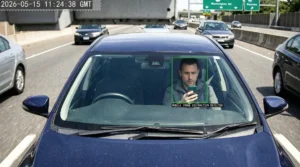
Proving that a driver was distracted is often one of the most important parts of a pedestrian injury claim. Unlike speeding, distraction may not leave obvious physical evidence at the scene. Because of this, investigators often rely on multiple sources of information.
Phone records may reveal whether a driver was texting or using an app around the time of the collision. Surveillance cameras or traffic footage may show the vehicle’s movement before impact. Witnesses may describe whether the driver appeared to be looking away from the road. Police reports can also play a role, especially if officers note signs of distraction during their investigation. When these pieces are combined, they may help build a clearer picture of what happened.
Injuries Often Linked to Distracted Driving Accidents
Pedestrian accidents involving distracted drivers frequently result in significant injuries. The lack of protection means even low-speed impacts may cause serious harm. Head injuries are common, particularly when the pedestrian falls onto the pavement or is struck directly.
Broken bones, especially in the legs and arms, are also frequently reported. In more severe cases, spinal injuries or internal trauma may occur. Recovery time may vary depending on the extent of the injuries and the medical care required.
These factors often become part of the broader evaluation of a claim, including how the accident has affected daily life.
Challenges That May Arise in These Claims
One of the main challenges in distracted driving cases is proving that distraction actually occurred. Drivers may deny using a phone or engaging in any activity that took their attention away from the road. Without clear evidence, establishing this detail may become more difficult.
In some situations, there may be limited video footage or conflicting witness accounts. Investigations may also take time, especially when phone data needs to be reviewed.
Because of these challenges, cases often rely on a combination of evidence rather than a single source.
 How Insurance Companies Review These Cases
Insurance companies typically evaluate pedestrian accident claims by examining available evidence and determining how fault may be shared. They may look closely at police reports, medical records, and any indication of distraction.
They may also consider the pedestrian’s actions at the time of the accident. Questions about where the pedestrian was crossing, visibility conditions, and traffic signals may all be reviewed.
This process is used to assess how responsibility may be divided between the parties involved.
Steps That May Help After a Pedestrian Accident
After a pedestrian accident, certain actions may help preserve important details. Seeking medical attention creates a record of injuries and may support future documentation. Reporting the incident ensures there is an official account of what occurred.
Gathering information at the scene, including photos and witness contacts, may also be useful. Environmental factors such as lighting and road conditions can sometimes play a role in understanding how the accident happened.
The Growing Role of Technology
Technology continues to influence how distracted driving cases are evaluated. Dashcams and traffic cameras may capture critical moments leading up to a crash. Some vehicles also store data related to speed and braking, which may provide additional context.
Phone records have also become more relevant. In certain cases, they may show whether a driver was actively using a device during the time of the accident. This type of information may help clarify whether distraction contributed to the incident.