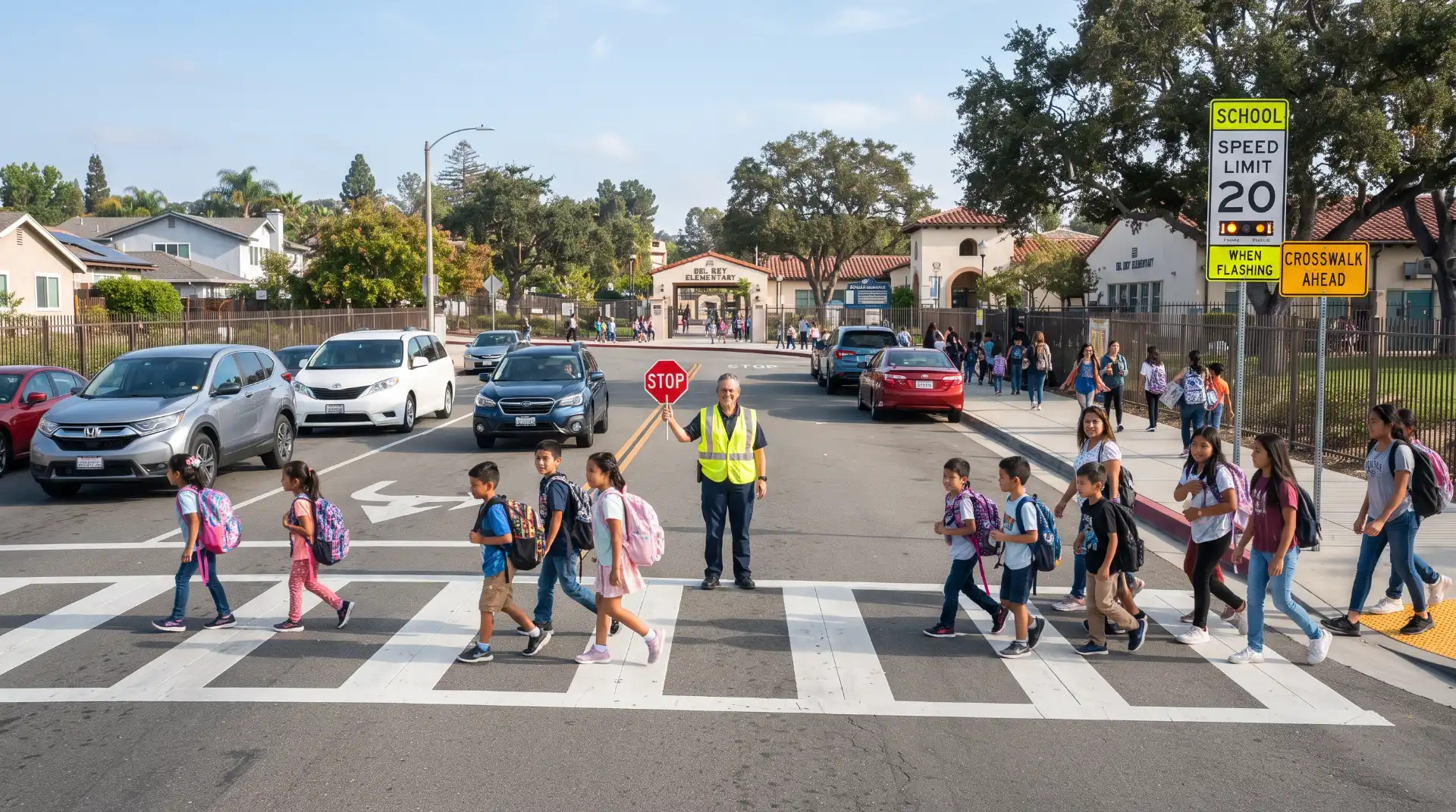
School zones are designed to provide a safer environment for children walking to and from school. Reduced speed limits, crossing guards, warning signs, and designated pedestrian crossings are all intended to protect young pedestrians from vehicle-related injuries. Despite these safety measures, school zone pedestrian accidents involving children continue to occur throughout California.
A child pedestrian accident can be devastating for families. Children are more vulnerable than adult pedestrians because of their smaller size, limited ability to judge traffic risks, and the severity of injuries they can suffer when struck by a vehicle. A collision that may cause moderate injuries to an adult can result in life-changing consequences for a child.
When a child is injured in a school zone accident, families often face unexpected medical expenses, emotional distress, and uncertainty about who should be held responsible. Determining liability may require a detailed investigation into the driver’s actions, roadway conditions, school safety measures, and available evidence.
Understanding the causes of these accidents and the legal options available can help parents protect their child’s rights after a serious pedestrian injury.
Why School Zone Pedestrian Accidents Are More Dangerous for Children
School zones create unique traffic conditions because they involve large numbers of children, parents, buses, and vehicles operating in a limited area. During morning drop-off and afternoon pickup periods, streets near schools can become highly congested, increasing the possibility of dangerous interactions between vehicles and pedestrians.
Children may not always recognize the risks associated with traffic. A child may enter a roadway unexpectedly, cross between parked vehicles, run toward a parent or friend, or misjudge how quickly a vehicle is approaching. Because of this, drivers traveling through school areas are expected to exercise additional caution.
A driver approaching a school zone should anticipate that children may behave unpredictably and should reduce speed, remain alert, and follow pedestrian right-of-way laws. When drivers fail to take these precautions, the consequences can be severe.
According to the National Highway Traffic Safety Administration (NHTSA), children remain one of the most vulnerable groups involved in pedestrian crashes nationwide. The agency provides safety information regarding pedestrian risks and prevention efforts.
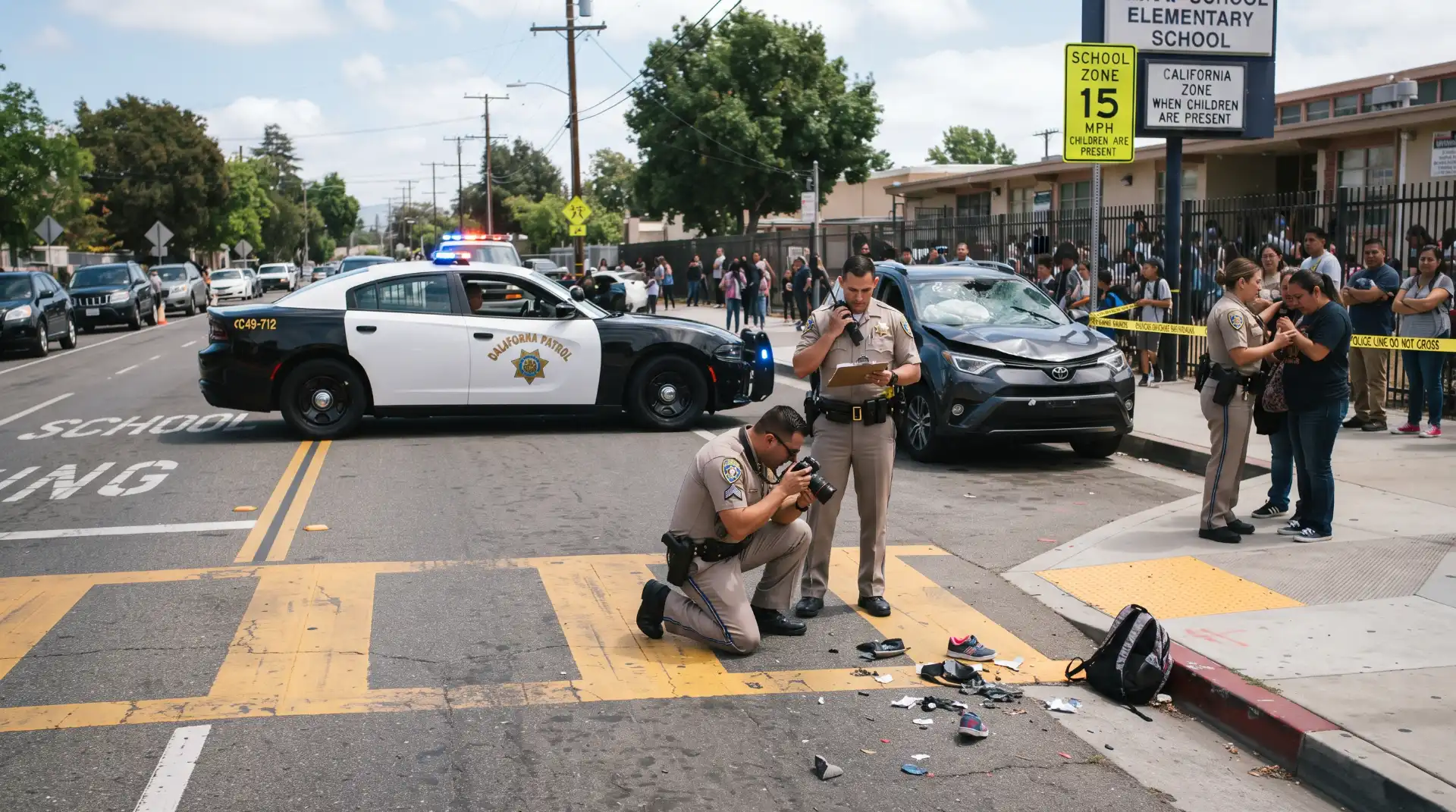
Common Causes of School Zone Pedestrian Accidents in California
Many school zone pedestrian accidents occur because drivers fail to recognize the increased responsibility that comes with traveling near children. Even a moment of inattention can result in a serious collision.
Distracted driving is one of the most common causes of pedestrian crashes. A driver looking at a cellphone, adjusting a navigation system, talking with passengers, or focusing on another activity may fail to notice a child entering a crosswalk.
California law restricts the use of handheld electronic devices while driving, but distracted driving continues to contribute to collisions across the state. When a driver is not paying attention in a school zone, they may not have enough time to stop before striking a child.
Speeding is another major factor in school zone accidents. Reduced speed limits around schools exist because children may suddenly enter the roadway and because lower speeds give drivers more time to react. A vehicle traveling too fast may be unable to stop before reaching a crosswalk or may cause much more serious injuries when a collision occurs.
Failure to yield is also a frequent cause of child pedestrian accidents. Drivers may fail to stop at marked crosswalks, turn through intersections without checking for pedestrians, or pass vehicles that have stopped for children crossing the street. These actions can place children directly in the path of moving vehicles.
How Driver Negligence Can Lead to Child Pedestrian Injuries
In California personal injury cases, negligence generally involves showing that another party failed to use reasonable care and that this failure caused harm.
A driver may be considered negligent when they violate traffic laws or fail to respond appropriately to conditions in a school area. For example, a driver who speeds through a school zone, ignores crossing signals, or uses a phone while driving may have contributed to the accident.
Evidence of driver negligence may come from police reports, witness statements, surveillance footage, traffic camera recordings, and accident reconstruction analysis.
In some cases, more than one factor may contribute to the accident. A driver may be responsible because of unsafe behavior, while poor roadway design or inadequate safety measures may also play a role.
School Zone Design Problems and Dangerous Road Conditions
Although many school zone pedestrian accidents are caused by driver behavior, unsafe roadway conditions can also increase the risk of injury.
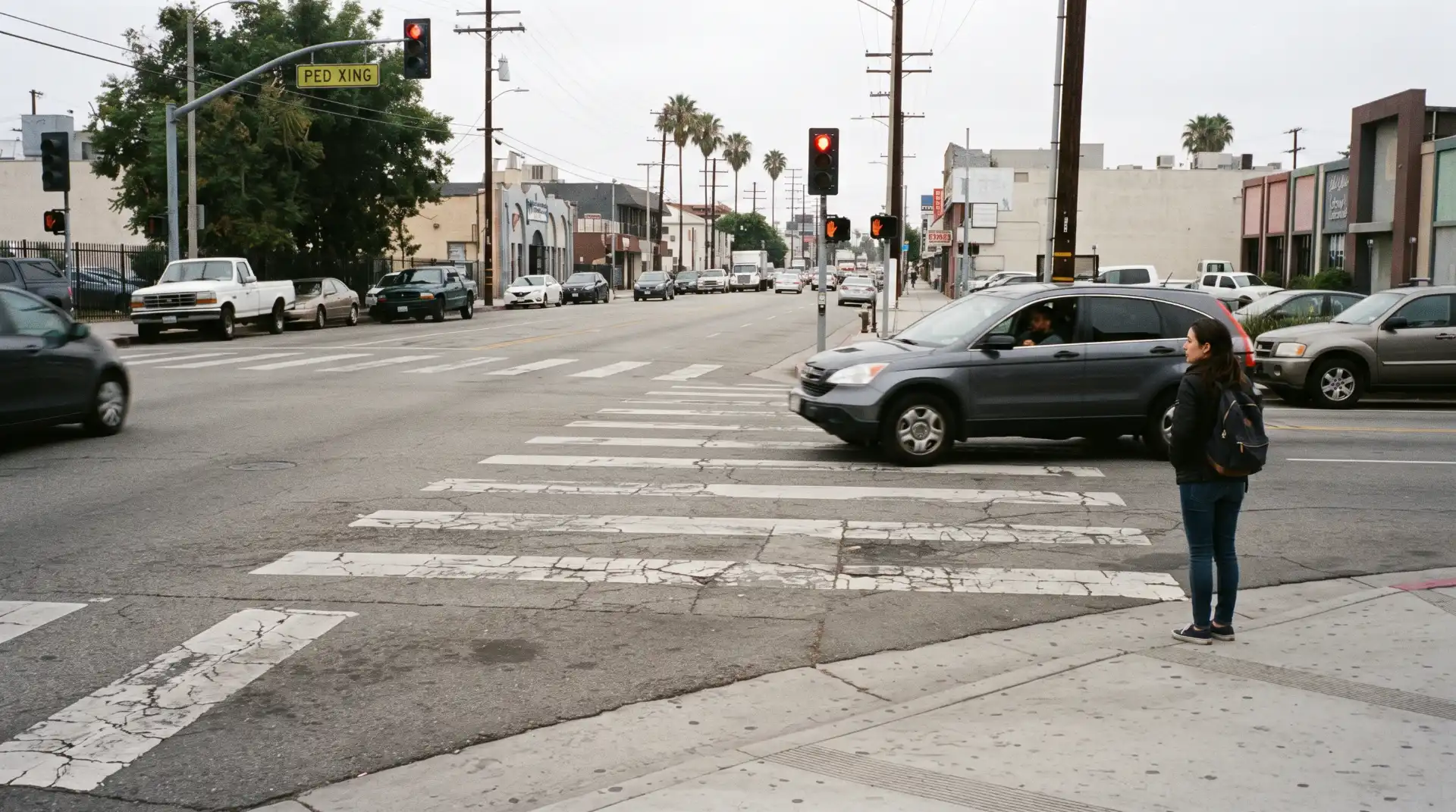
Poorly designed pedestrian areas may create hazards for children. Examples include faded crosswalk markings, blocked sidewalks, inadequate lighting, confusing traffic patterns, or poor visibility caused by parked vehicles.
When unsafe conditions contribute to a pedestrian accident, responsibility may extend beyond the driver. Depending on the circumstances, a government agency, school district, property owner, or another responsible party may need to be investigated.
Claims involving government entities in California can involve special legal requirements and deadlines. Families considering a claim involving a public agency should understand that these cases may require additional procedures compared with standard injury claims.
Hit-and-Run School Zone Pedestrian Accidents Involving Children
A hit-and-run accident involving a child can be especially traumatic because families may not immediately know who caused the injuries or how they will recover compensation.
Some drivers leave the scene after hitting a pedestrian because they are afraid of consequences, do not have insurance, or may be attempting to avoid responsibility. However, leaving the accident scene does not eliminate potential legal responsibility.
Law enforcement may investigate hit-and-run crashes by reviewing available evidence, including surveillance footage from nearby homes or businesses, witness statements, vehicle debris, and traffic camera recordings.
Because evidence can disappear quickly, a timely investigation can be important when attempting to identify the responsible driver.
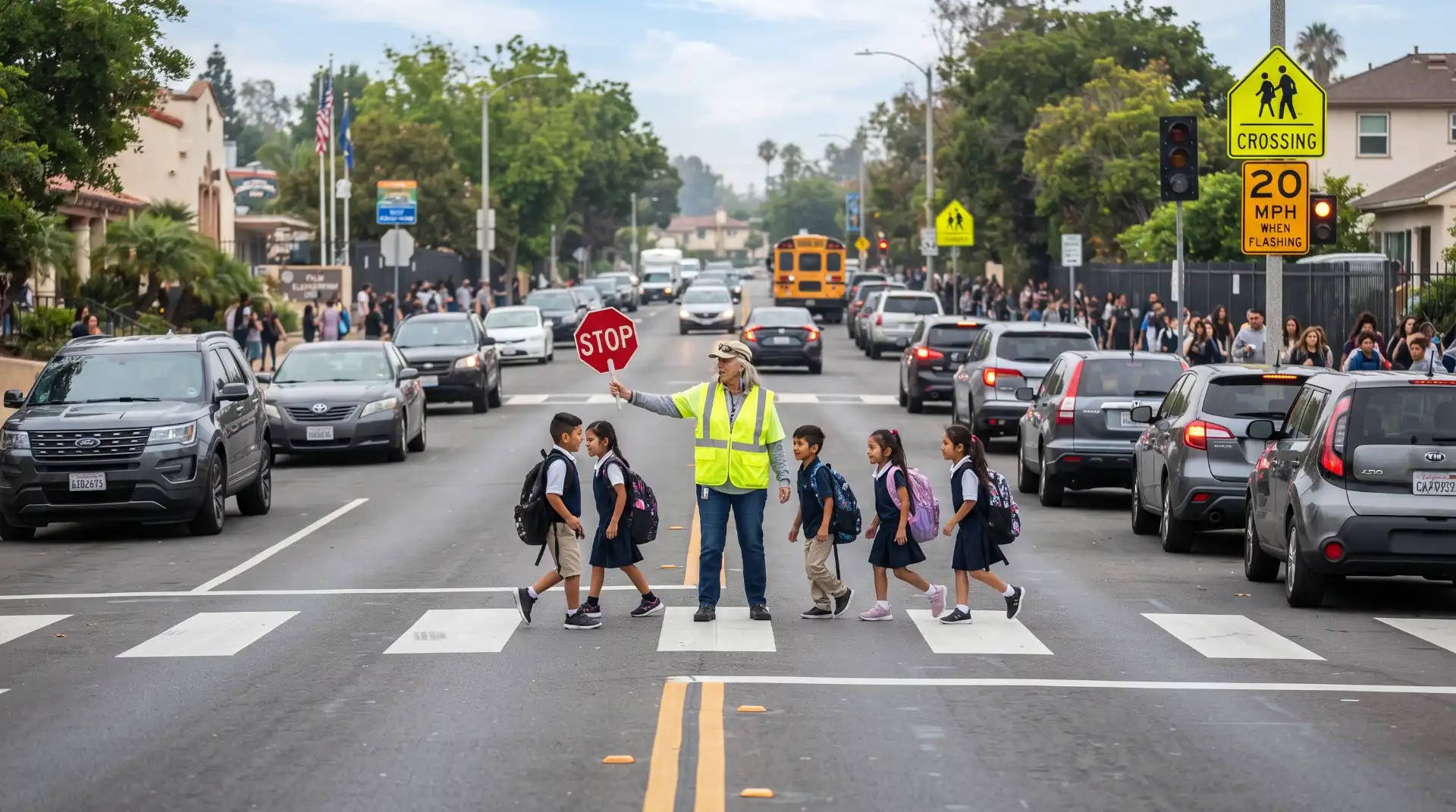
Who Can Be Held Responsible After a Child Is Injured in a School Zone Accident?
Determining liability after a school zone pedestrian accident requires examining the specific facts of the collision.
In many cases, the driver who caused the crash may be responsible for the child’s injuries. This may occur when the driver was speeding, distracted, impaired, failed to yield, or otherwise violated traffic laws.
However, liability is not always limited to the driver. If unsafe school property conditions, dangerous roadway design, or inadequate safety measures contributed to the accident, other parties may also need to be considered.
For example, if a school crossing area was improperly designed or if warning signs and safety features were missing, an investigation may determine whether another entity contributed to the child’s injuries.
Common Injuries Caused by School Zone Pedestrian Accidents
Children involved in pedestrian crashes can suffer serious injuries because the human body is not designed to withstand the impact of a motor vehicle.
Some injuries may require immediate emergency treatment, while others may affect a child for years after the accident. A child may experience traumatic brain injuries, broken bones, spinal injuries, internal injuries, emotional trauma, and long-term physical limitations.
Brain injuries are particularly concerning because symptoms may not always appear immediately. A child who seems stable after an accident may later experience difficulties involving memory, concentration, learning, or behavior.
Medical evaluation and continued monitoring are important after any significant pedestrian accident involving a child.
Evidence Used to Prove a School Zone Pedestrian Accident Claim
Evidence plays a critical role in determining how an accident happened and who may be responsible.
Police reports often provide important details about the location of the crash, statements from involved parties, and observations made by responding officers. However, additional evidence may be needed to fully understand liability.
Surveillance video can be especially valuable in school zone accidents because schools, nearby businesses, and residential properties may capture the moments before and during the collision.
Witness testimony from crossing guards, teachers, parents, students, and other drivers can also provide important information about traffic conditions and driver behavior.
Medical records help establish the seriousness of the child’s injuries and the treatment required after the accident. In more complex cases, accident reconstruction professionals may analyze vehicle speed, impact location, and roadway conditions.
California Laws Protecting Child Pedestrians
California has established traffic laws intended to protect pedestrians, especially in areas where children are present.
Drivers must exercise reasonable care when operating near schools and must follow posted speed limits, traffic signals, and pedestrian crossing rules. School zones require additional awareness because children may not always behave in predictable ways.
California pedestrian safety laws are designed to prevent avoidable injuries, but these protections only work when drivers follow them.
When a driver ignores these responsibilities and causes a child to be injured, the family may have the right to pursue compensation through a personal injury claim.
Compensation Available After a School Zone Pedestrian Accident
The financial impact of a child pedestrian accident can extend far beyond the initial emergency treatment.
Families may face hospital expenses, rehabilitation costs, therapy, future medical care, and other expenses related to the child’s recovery. In serious cases, injuries may affect the child’s future education, activities, and quality of life.
A personal injury claim may seek compensation for medical expenses, future treatment needs, emotional suffering, and other damages connected to the accident.
The value of each claim depends on factors such as the severity of the injuries, available insurance coverage, evidence of fault, and the long-term impact on the child.
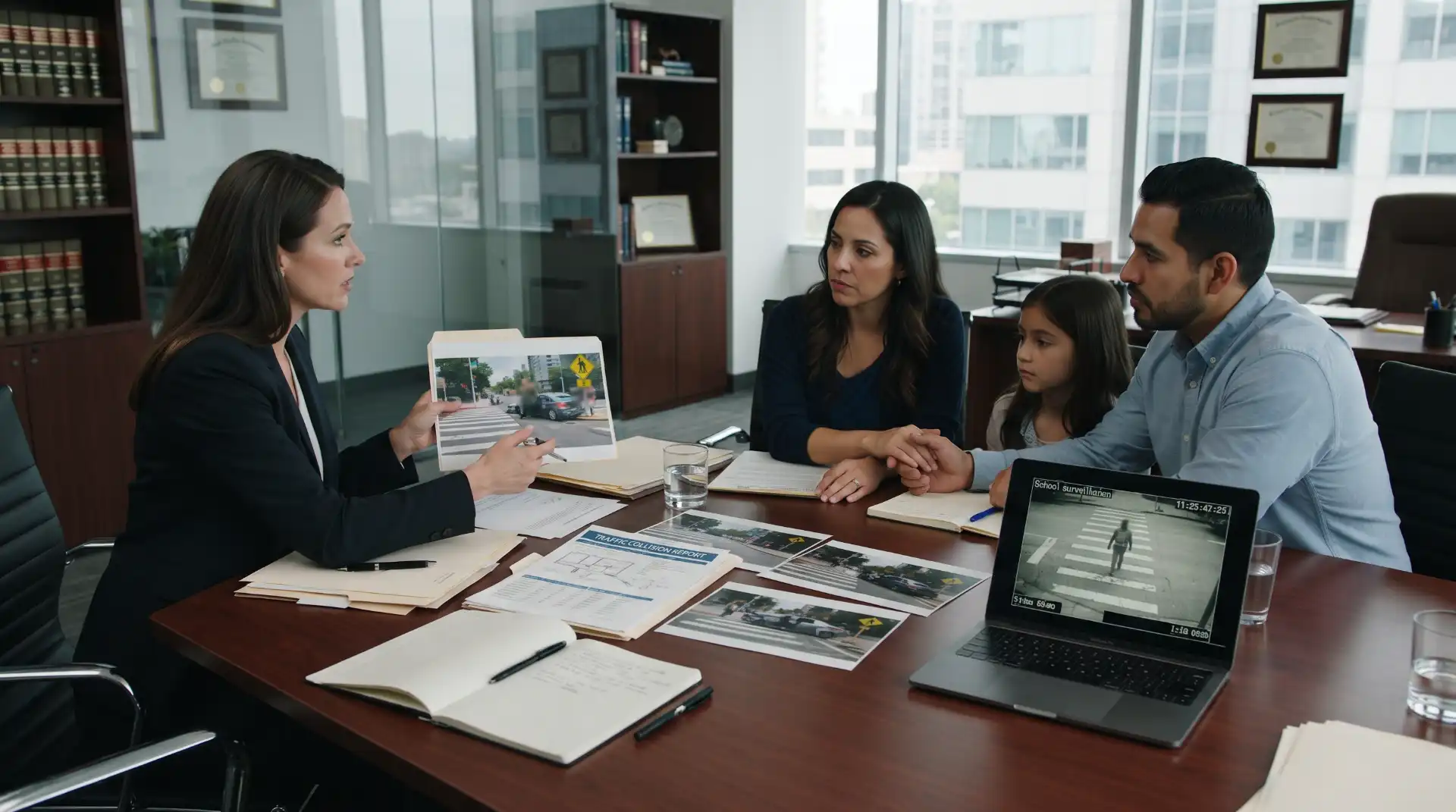
How a Pedestrian Accident Lawyer Can Help After a Child Is Injured
After a school zone pedestrian accident, families often have to focus on their child’s recovery while also dealing with insurance companies and legal questions.
A pedestrian accident lawyer can investigate how the collision occurred, gather evidence, communicate with insurance representatives, and identify all potentially responsible parties.
Insurance companies may attempt to minimize claims by disputing fault or arguing that injuries are less serious than reported. A legal professional can help ensure that evidence is properly collected and that the child’s future needs are considered.
An attorney may also work with medical professionals, accident investigators, and other experts to build a complete understanding of the accident and its consequences.
Protecting Children After School Zone Pedestrian Accidents
School zone pedestrian accidents involving children can have lasting consequences for young victims and their families. While schools, drivers, and communities share responsibility for creating safer environments, accidents can still occur when negligence or unsafe conditions are involved.
Parents dealing with a child pedestrian injury should focus on medical recovery while also preserving important evidence and understanding their legal options.
A thorough investigation can help determine what caused the accident and whether another party should be held accountable. When negligence causes a child’s injuries, California law may provide families with a way to seek compensation for the harm their child has suffered.